

Heat Pump Hot Water for Commercial Applications
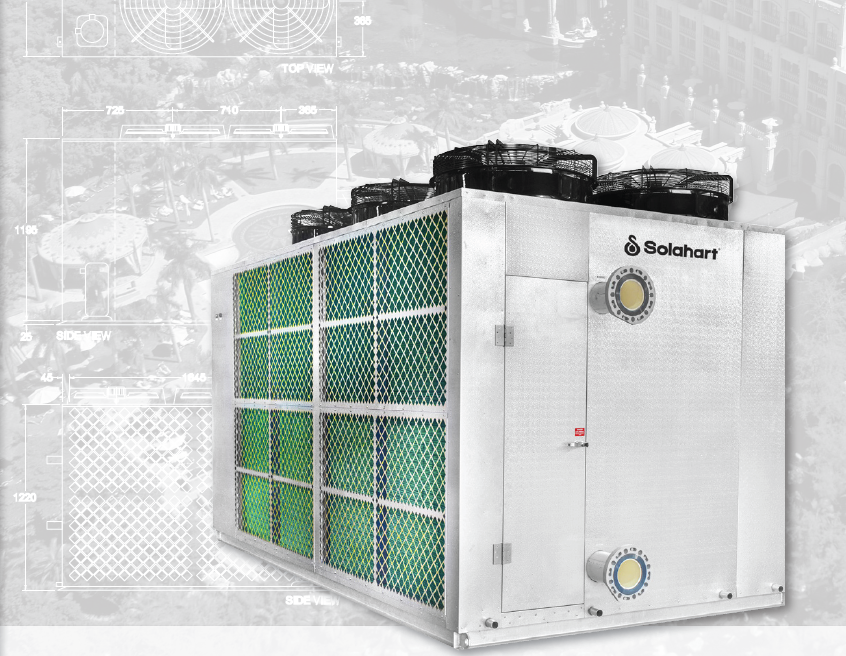
How commercial heat pumps work
Heat pump systems capture naturally occurring heat from air, water, or the ground and transfer it into usable energy for heating water.
This process is highly efficient. Instead of generating heat directly, the system moves existing heat and amplifies it using a compressor.
In commercial systems, this can deliver multiple units of heating energy for each unit of electrical input.
System types for commercial applications
Commercial heat pump systems can be configured based on available energy sources and project requirements.
Air to water systems
Air-to-water systems extract heat from ambient air and transfer it to water.
Best suited for:
- General commercial hot water applications
- Sites with adequate airflow and outdoor installation space
- Projects seeking a balance between performance and simplicity
These systems offer the advantage of renewable heating without requiring direct solar input.
Water to water systems
Water-to-water systems use a consistent water source such as groundwater, seawater, or building condenser loops.
Best suited for:
- Large buildings with existing water systems
- Projects integrating with HVAC or chilled water systems
- High efficiency, continuous operation environments
They can also provide simultaneous heating and cooling, improving overall building energy performance.
Ground source systems
Where site conditions allow, ground source heat pumps can use stored thermal energy in the earth.
Best suited for:
- Projects with long-term infrastructure planning
- Sites with available land for ground loops
Key applications
Heat pump systems are used across a wide range of commercial applications, including:
- Hotels and accommodation
- Hospitals and healthcare facilities
- Multi-residential developments
- Industrial and process heating
- Aquatic centres and large-scale pool heating
They can also support specialised uses such as hydronic heating, chilled water systems, and process applications.

Efficiency and long-term value
One of the key advantages of commercial heat pumps is their efficiency.
Because the system transfers heat rather than generating it, it can significantly reduce energy consumption compared to conventional systems.
In some configurations, systems can also deliver combined efficiency by supporting both heating and cooling within the same installation.
Design and specification considerations
For architects and specifiers, early integration into the design phase is critical to achieving optimal performance.
Key considerations include:
- Peak and average hot water demand
- Available plant space and installation layout
- Integration with HVAC or hydronic systems
- Electrical infrastructure and load management
- Maintenance access and servicing requirements
Working with a specialist early in the project allows systems to be tailored to specific building requirements.
A flexible solution for complex projects
Commercial heat pump systems provide a versatile approach to hot water system design.
With multiple configuration options and the ability to scale across different applications, they offer a practical solution for projects seeking to balance performance, efficiency, and long-term reliability.
See how these systems are applied
See how heat pump systems are integrated into real commercial projects across different industries.
👉 Explore commercial case studies
Explore system configurations in more detail
For detailed technical specifications and system configurations:
👉 Explore commercial heat pump solutions
Need support with system design?
If you are working on a commercial project, early system planning can help optimise performance and integration.
👉 Contact the Solahart team to discuss your project requirements.
