


Solahart has been a global leader in energy-efficient water heating since 1953. With over one million systems installed across more than 70 countries, we help households worldwide reduce energy consumption and reduce environmental impact through advanced solar hot water and heat pump technologies. Whether you're replacing an outdated system or investing in a greener future, Solahart delivers smart, sustainable solutions tailored to your needs.
Why switch your hot water?
What system is best for me?
-
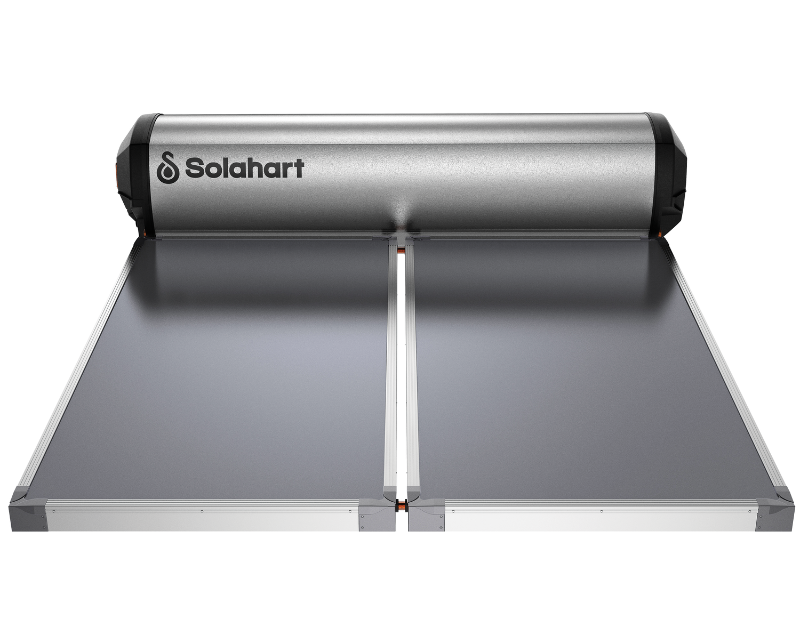
Rooftop Solar Water Heating
Capture solar energy with Solahart’s trusted roof-mounted hot water system. Engineered for performance and durability, it delivers sustainable hot water while helping lower energy use and carbon footprint worldwide. -
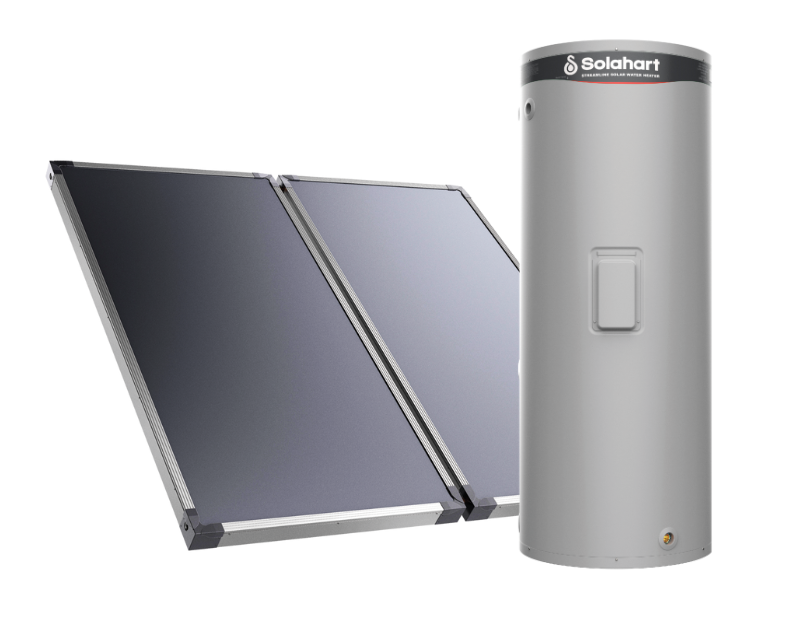
Split Solar Water Heating
Smart solar hot water designed for modern living. Solahart Split Systems combine sleek design with energy efficiency to deliver reliable performance and long-term savings worldwide. -
Heat Pump Water Heating
Solahart’s advanced heat pumps extract warmth from the air to efficiently heat your water, delivering year-round savings. They are especially ideal for shaded areas or colder climates.


How solar hot water works
How a heat pump water heater works
Want to learn more about renewable water heating options?
Get answers to common questions about solar hot water and heat pumps, all in one place.
-
What’s the difference between solar thermal and solar panels (solar PV)?
Solar thermal heats water directly using collectors; solar PV makes electricity. For hot‑water production, thermal collectors generally capture more usable heat per m² of roof area than PV.
-
How much could I save?
Homes commonly cut hot‑water energy by up to 65% with solar thermal; heat pumps can deliver similar bill reductions thanks to 2–4× efficiency. Actual results depend on climate and use.
-
Is hot water really a big part of my bills?
Yes. In many homes, water heating is the second‑largest energy use after space conditioning.
-
How do heat pump water heaters compare to solar hot water systems?
Solar water heaters use sunlight to heat water, while heat pumps extract heat from the air and can function both day and night. Both technologies are renewable and can lower your water heating costs. The best option for you will depend on your climate, available roof space, and specific household needs.
-
Will I have hot water on cloudy days?
Yes. Your system includes an electric booster to ensure reliable hot water in low‑sun periods.
-
What maintenance is required for solar water heaters?
Maintenance is generally minimal. Occasional cleaning and professional inspections help ensure optimal performance. Heat pumps and solar hot water systems may require servicing every 5 years as recommended by the manufacturer.
-
How much roof space do I need?
Usually modest. Because collectors deliver high thermal output per m² for hot‑water duty, the footprint is typically smaller than trying to make equivalent hot‑water energy via PV. Alternatively, heat pumps do not use any roof space and still provide significant savings.
-
Where should a heat pump be installed?
In a location with adequate room air volume and temperatures typically within ~-4 – 32 °C, such as a garage or utility room.
-
Are heat pumps noisy?
Modern units typically meet ≤55 dBA guidance (about a quiet conversation). Thoughtful placement further reduces perceived sound.
-
Do heat pumps cool the room they’re in?
A little. They exhaust cooler, drier air, which can be a bonus in laundries/garages.
-
How do heat pump water heaters compare to solar hot water systems?
Heat pumps do not need roof space and perform well in shaded or cooler areas. Solar hot water systems are best suited for sunnier climates. Both options are energy-efficient and may be ideal for different types of homes.
-
Do heat pumps work efficiently in colder climates?
Modern heat pumps are designed to operate effectively even in cooler temperatures. Some include backup elements to ensure consistent performance year-round.
