

Why Replacing an Electric Water Heater with a Heat Pump Is a Smart Upgrade
What makes a heat pump different?
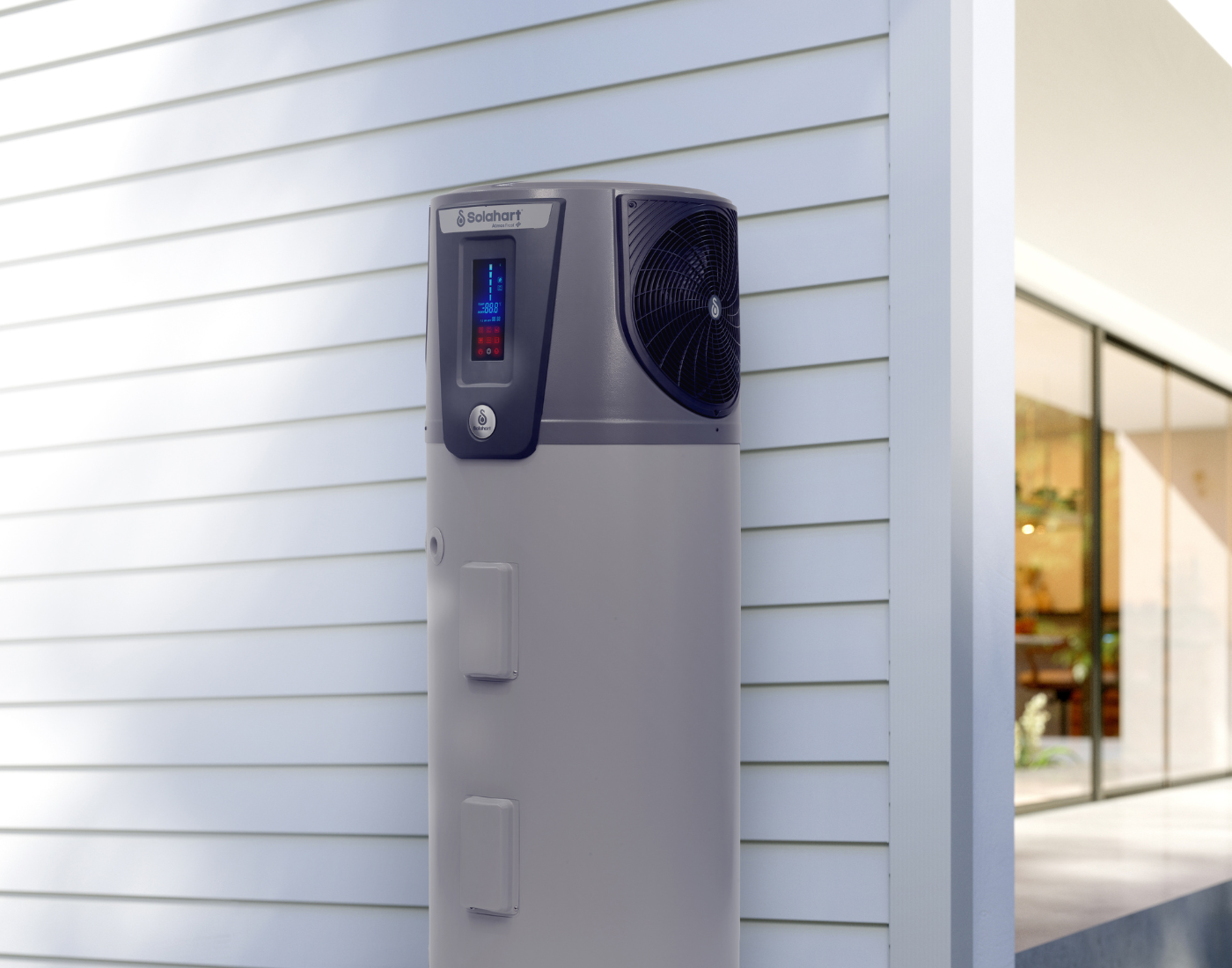
Unlike a traditional electric water heater that generates heat directly using an electric element, a heat pump works by capturing heat from the surrounding air and transferring it into the stored water.
Because a heat pump transfers heat rather than creating it, it typically requires less electricity to produce the same amount of hot water.
This makes heat pump technology an increasingly popular option for households seeking a more energy-efficient approach to water heating.
Why homeowners are choosing heat pumps
Heat pumps offer several advantages over conventional electric water heaters:
- Lower energy consumption
- Reduced operating costs over time
- Reliable hot water throughout the year
- Reduced reliance on conventional energy sources
- Compatibility with rooftop solar systems
- Suitable for homes where solar hot water collectors may not be practical
- A future-ready approach to hot water heating
These benefits make heat pumps an attractive upgrade for both new homes and replacement projects.
Can an electric water heater be replaced with a heat pump?
In many cases, yes.
Heat pump systems include a storage tank similar to a traditional electric water heater and can often utilise existing plumbing and electrical infrastructure, depending on site conditions.
One important consideration is installation location. Heat pumps require adequate airflow around the unit so they can efficiently capture heat from the surrounding air.
A professional assessment can help determine whether a heat pump is suitable for your property and identify the best installation position.
How can a heat pump improve energy efficiency?
Water heating is often one of the largest contributors to household energy use. Improving the efficiency of this system can have a meaningful impact on overall energy consumption.
Because heat pumps use environmental heat energy, they can significantly reduce the amount of electricity required to heat water compared with conventional electric systems.
The actual savings achieved will depend on factors such as:
- Household hot water usage
- Climate conditions
- System sizing
- Installation quality
- The efficiency of the existing water heater being replaced
Pairing a heat pump with solar energy
Heat pumps can work particularly well alongside rooftop solar systems.
When operated during daylight hours, a heat pump may use electricity generated by the solar system, helping households maximise the value of their renewable energy production while reducing reliance on grid electricity.
This combination can provide an effective way to improve overall household energy efficiency.
Is a heat pump the right choice for your home?
A heat pump may be a strong option if you:
- Are replacing an electric storage water heater
- Want to reduce energy consumption
- Have limited roof space for solar collectors
- Are looking for an efficient hot water solution
- Want to complement an existing solar energy system
For many households, upgrading to a heat pump provides a practical way to improve efficiency without changing daily hot water habits.
Understanding your options
Heat pumps are one of several technologies available for improving hot water efficiency.
Depending on your property and energy goals, you may also wish to compare:
👉 Solar hot water systems explained
👉 Heat pump hot water systems
👉 Solar vs heat pump hot water solutions
Need help choosing the right system?
Selecting the right hot water system depends on your home's layout, hot water demand, and energy objectives.
Professional advice can help ensure you choose a solution that delivers reliable performance, efficient operation, and long-term value.
